
Historic Pubs in Norwich
Historic Pubs in Norwich
by Katie Thompson
The saying goes that Norwich once had a pub for every day of the year (and a church for every week), so it’s no surprise that the city is still home to a whole host of historic pubs- ones that have been standing in the same spot for centuries!
That means there are plenty of interesting tales and secrets to tell too- did you know many of the Norwich Lanes are named for pubs that once stood on their streets? So much so, that Norwich Pub Tours, Paul Dickson and The Shoebox Experiences cater to those of us who want to find out more with pub-themed tours.
Whether you’re a history buff ticking off our city’s oldest inns or love a pint surrounded by character, here’s our rundown of historic pubs in Norwich.
Adam and Eve, Bishopgate
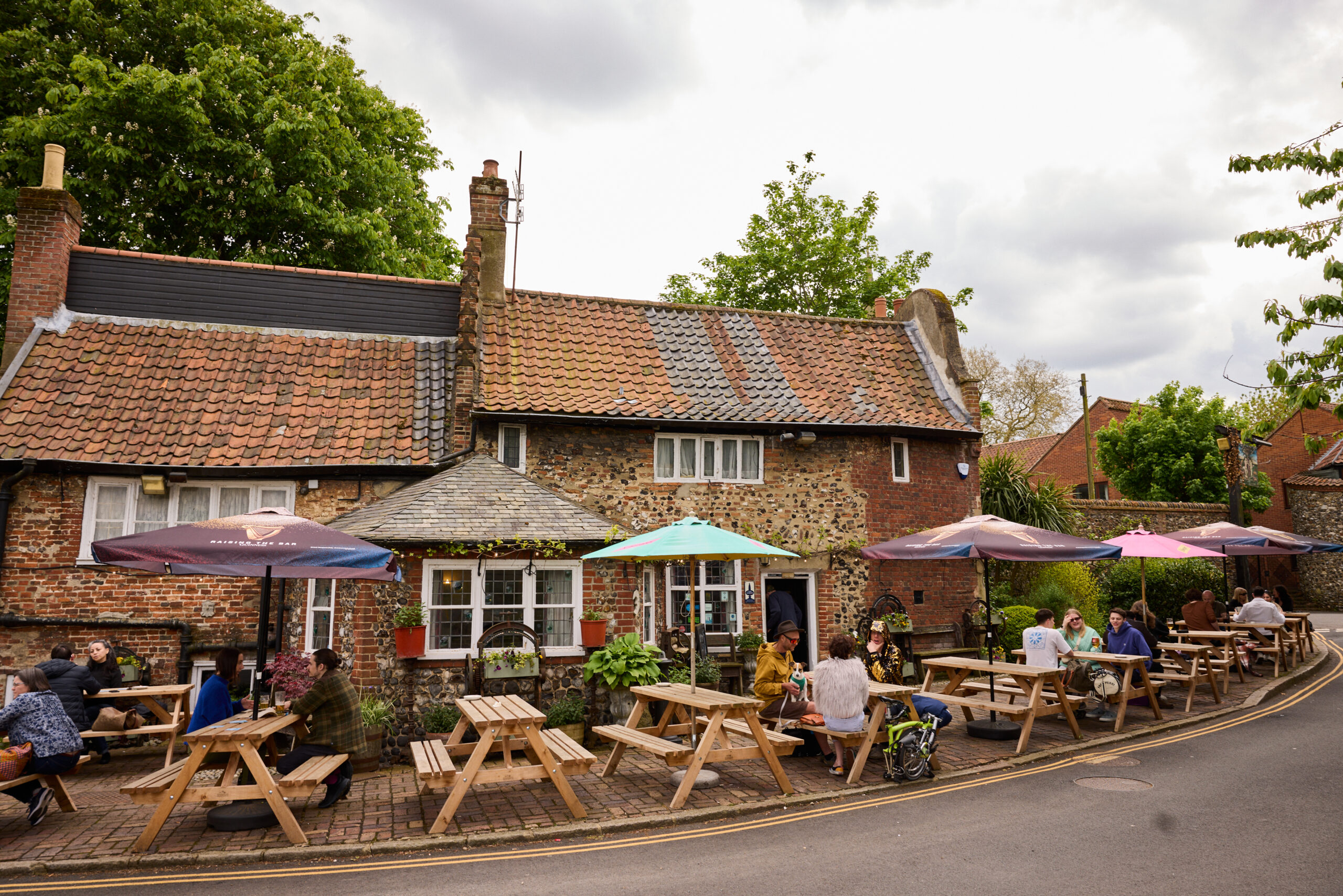
The Adam and Eve is the oldest pub in Norwich
The Adam and Eve safely holds the title of the oldest pub in Norwich– a Saxon well still exists below the lower bar floor, and the remains of a medieval monk were discovered during cellar excavations in the ‘70s! Close to the River Wensum, in our beautiful Cathedral Quarter, in winter cosy up in front of the roaring fire; in summer, take a seat outside on their blossoming terrace.
The characterful interior- all low, dark oak beams and wooden bar- has played host to haunting tales and historical moments. Adam and Eve began life as a brewhouse run by monks and used by workmen building Norwich Cathedral. Since then, it’s played a part in Robert Kett’s Rebellion in 1549 (Lord Sheffield is still said to haunt the pub after being killed by a strike to the head from the rebels) and seen the 1578 procession of Elizabeth I pass by, as well as the plotting of the infamous James Rush, perpetrator of the notorious Victorian double murders at Stanfield Hall.
The Murderers (The Gardeners Arms), Timber Hill

The Gardeners Arms is more commonly known as The Murderers…
You might have noticed that this pub boasts two names…
In 1895, The Gardeners Arms became more commonly known as The Murderers following murder of the landlady’s daughter at the hand of her jealous estranged husband. Convicted to punishment by hanging, Frank Miles’ sentence was commuted to life imprisonment- you can read contemporary articles on the walls of the pub as you sip on your ice-cold pint.
More recently, landlords have seen the pub through air raids and parades, one with family links to Buffalo Bill and Annie Oakley, another a WWI hero. Today, The Murderers is a popular (and dog friendly), city centre spot ideal for people watching or watching live sports!
Lollards Pit, Riverside Road
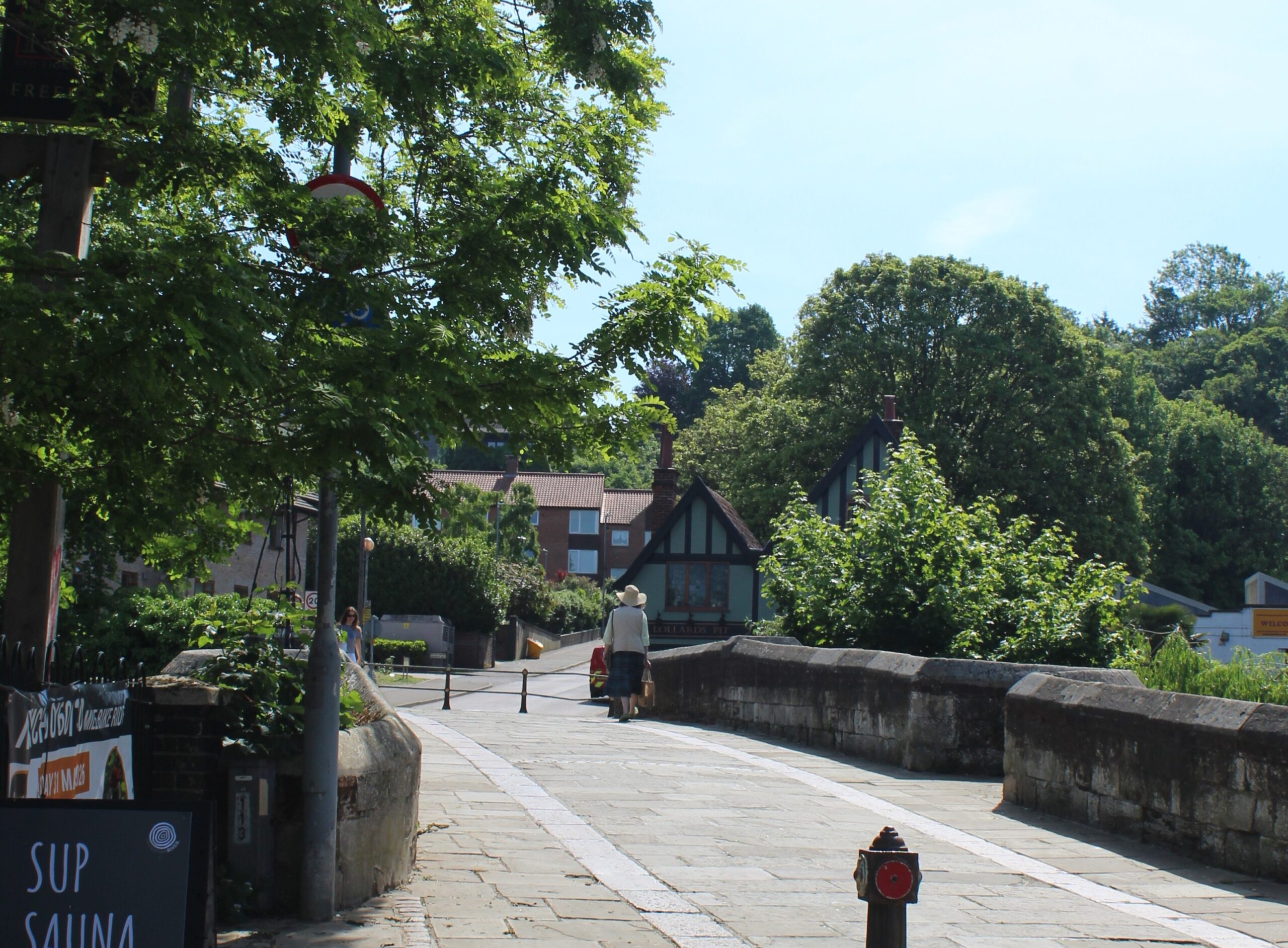
The Lollards Pit sits on the boundaries of Norwich’s city walls in Bishopgate, where heretics were once burned at the stake
One of the first pubs to be built outside of Norwich’s city walls, the Lollards Pit was built atop the eponymous site where heretics were once executed.
Perceived to be rebellious and against the Church, the Lollards were known for scripture-based, Protestant-style views instead of Catholicism. During Queen Mary’s reign in Tudor times, up to 50 so-called heretics were burned here, with the area being avoided by locals for many years as a result.
Fancy a visit? Sit down with a local ale in the pub’s sun-drenched courtyard or watch the River Wensum flowing by from inside its cosy interior.
The Maids Head Bar, Tombland

You can feel the history in the Jacobean oak panelled Maids Head Bar
Distinguished by its Jacobean oak panelling, the Maids Head Bar has been serving Norfolk since the 1200s (the Maids Head Hotel is the oldest site of hospitality in the country, after all)! Originally named ‘Molde Fish Tavern’, even Norfolk’s own Nelson is rumoured to have had his first pint here.
This is a bar steeped in history- it’s like stepping onto a film set! Elizabeth I is said to have received hospitality here and it’s connected to the hotel’s attractive courtyard (now WinePress restaurant), where the first mail coaches arrived from London in the 1780s.
Boasting a brilliant selection of local beers, wines and spirits, the Maids Head Bar is a go-to for sampling Norfolk refreshments. For beer lovers, treat yourself to their ale flight; for something a little stronger, try Bullards gin or The English Distillery’s award-winning whisky.
Lamb Inn, Haymarket
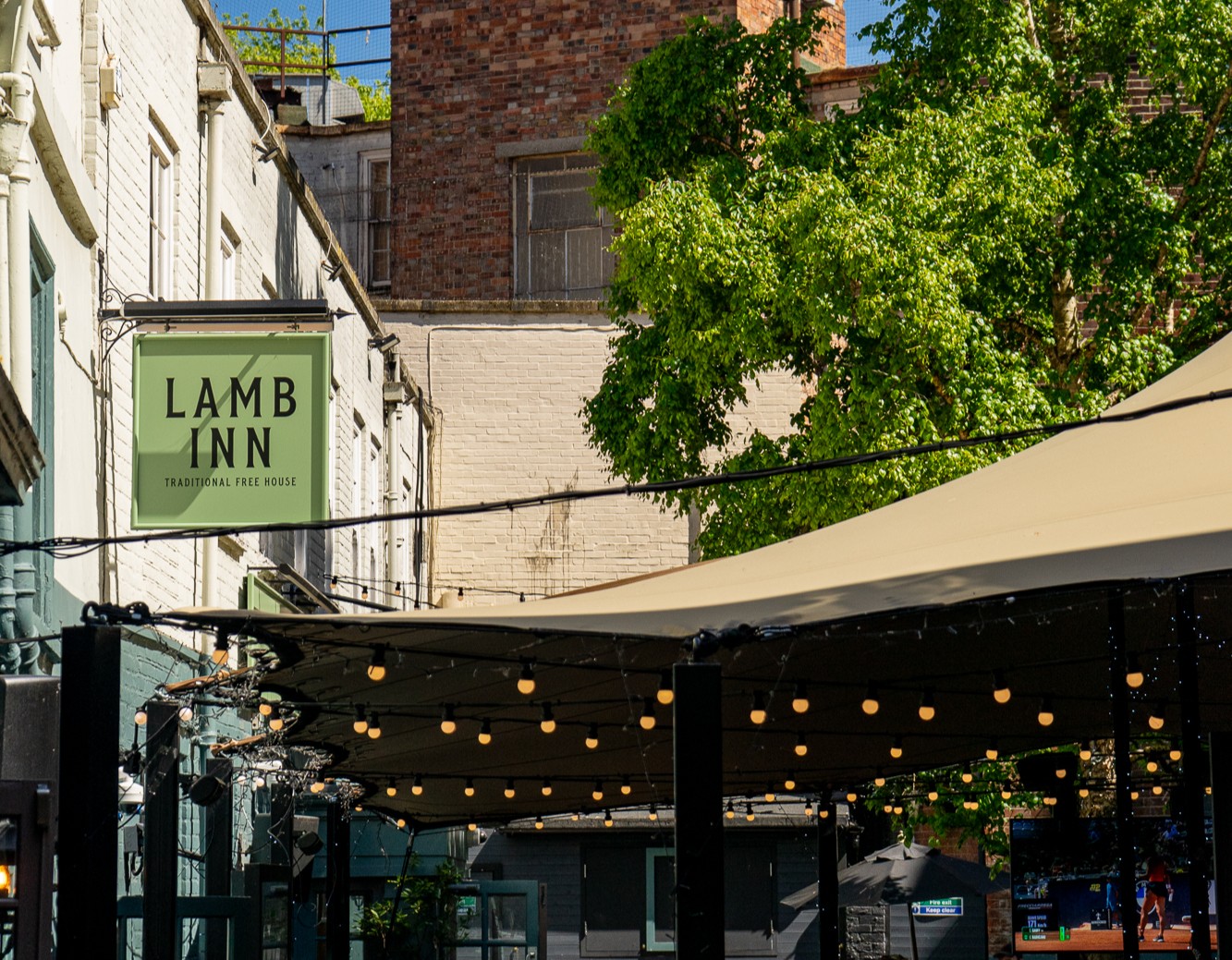
City centre pub the Lamb Inn continues to be popular with both locals and visitors
Just a stone’s throw from Norwich Castle and our 900-year-old marketplace, the Lamb Inn is a buzzing city centre pub.
The pub is said to have been ‘formed from the ruins of a nearby church’, initially giving it the name Holy Lamb. Throughout its 350-year history, the Lamb has seen a rollcall of landlords, including a brief stint under the names Rat & Parrot and Henry’s from the late 1990s to 2011. As with many of Norwich’s most historic pubs, the Lamb Inn has also borne witness to murder, when, in 1787, licensee John Aggas was killed by his brother-in-law Timothy Hardy after Hardy was exposed for serving free drinks to his friends in the cellar. He was hanged for his crimes.
Today, it’s all about community. The Lamb Inn is a bustling spot, popular for live sports, classic pub grub and its large (heated) patio, which is as equally busy under the dusky skies of summer as it is on crisp winter evenings.
Red Lion, Bishopsgate
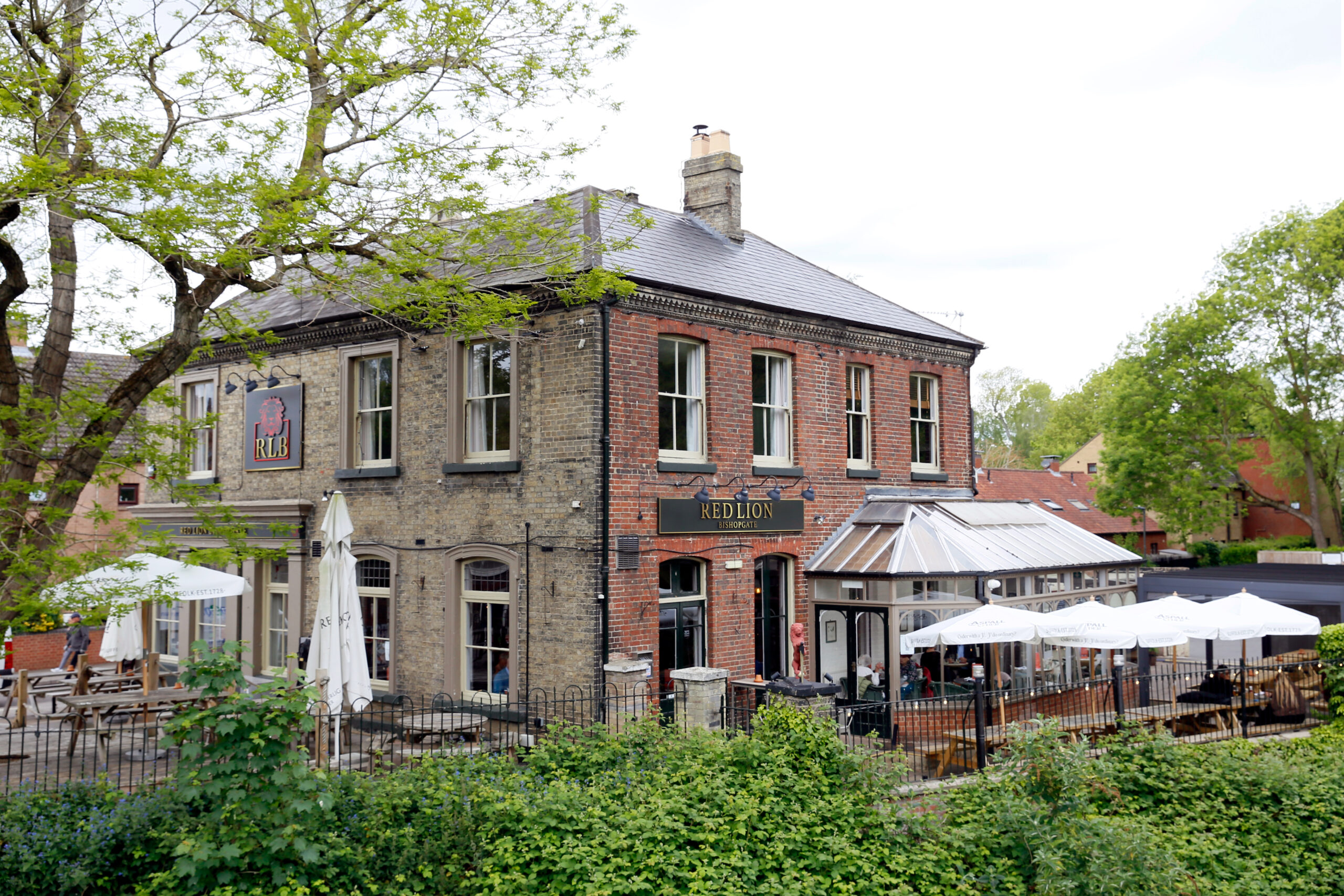
The Red Lion sits on the Wensum, prime position for the history of Bishop Bridge
Perched on the edge of the River Wensum, the Red Lion Bishopsgate pub is a popular local destination for a waterside pint, classic pub grub and warming roast dinners.
Dating back to the 1500s, it’s named for the lion insignia seen on Norwich’s coat of arms (think the statues outside City Hall or the Jarrolds logo). The Red Lion sits on Bishop Bridge (built in 1341)- Norwich’s oldest bridge and one of the oldest active bridge in England. And it’s safe to say that the 1500s were a big year for Norwich.
In 1549, Kett’s Rebellion arrived just outside the city, protesting land enclosures across the county. Kett’s army set up camp opposite the Red Lion on Mousehold Heath, so when they came to attack the city and its walls, the pub had a front row seat! Then later in the century, after the rebellion had been quashed and Protestantism ruled once again, Queen Elizabeth I paid a visit to the city. On her way to Norwich Cathedral and the Maids Head Hotel (in which she’s said to have paid respects to her mother Anne Boleyn and accepted hospitality respectively), she crossed Bishop Bridge. What a sight that must have been!

The Ribs of Beef is just one of many of Norwich’s other historic pubs
And if you fancy a pint or pub lunch in one or two more historic Norwich pubs, make sure to visit Wig and Pen (16th century, St Martin-at-Palace Plain), Ribs of Beef (18th century, Wensum Street) and Coach & Horses (18th century, Bethel Street)!
