
20 Fun Facts About Norwich
20 Fun Facts About Norwich
by Katie Thompson
With 1000 years of history, it’s no surprise that there’s still plenty to learn about Norwich.
From our literary leaders to lesser-known historical figures, surprising firsts to impressive stats, our fine city is full of secrets, stories and intriguing titbits of information. And there’s still more- check out our blogs on our blue plaques, city walls and the Lanes’ pavements and posts for further fascinating tales.
So, whether you’re a life-long local or visiting for the first time, here’s a list of our favourite facts about Norwich! (Including the ones you didn’t already know.)
Image: VisitNorwich
What You Didn’t Know About Norwich (And Where to Find Out More)
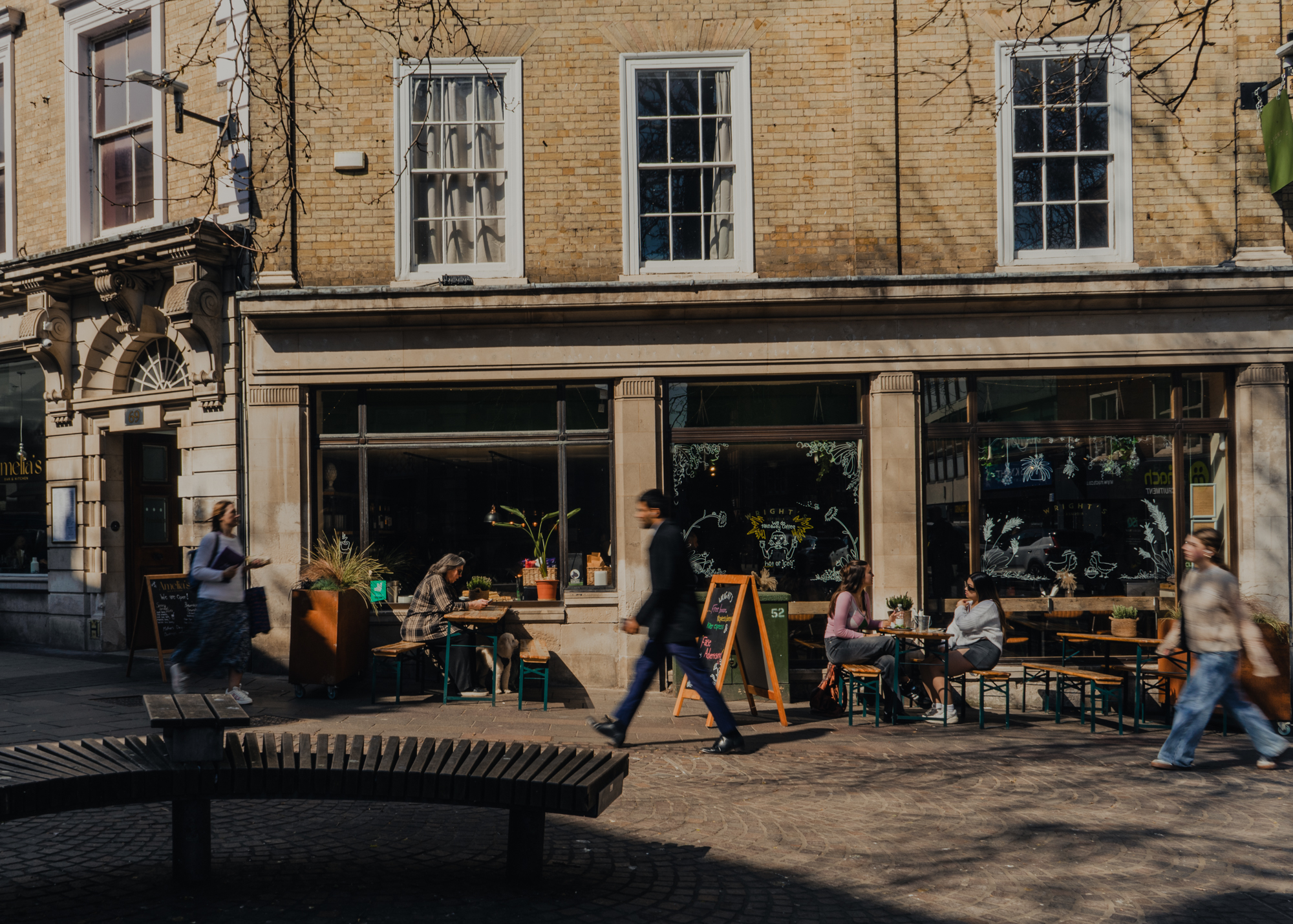
Did you know that London Street was the UK’s first to be pedestrianised? Credit: VisitNorwich
Firsts
1. London Street was the first pedestrianised shopping street in the UK
Norwich’s London Street became the first pedestrianised shopping street in the UK on 17 July 1967 leading the way for other British cities and even Perth in Australia.
2. Norwich was the location for England’s first dropped kerbs…
In 1964, disabled architect Selwyn Goldsmith chose Norwich to research how almost 300 locals with disabilities navigated the city, concluding that 15 dropped curbs would improve accessibility. This led to the term ‘curb-cut effect’, demonstrating how changes for one group of people benefit everyone.
3. And the first public accessible toilet
Goldsmith’s research also led to the first purpose-build public accessible toilet in England, even considering the different needs of men and women.
4. Norwich is England’s first UNESCO City of Literature
Rich in literary history, Norwich became England’s first UNESCO City of Literature in 2012, celebrating everything from the first woman to be published in English- Julian of Norwich– to the most visited public library in the country.
5. Norwich was first to adopt the modern postcode
Groundbreaking technology at the time, Norwich became the first city to adopt the modern six-letter postcode system after WWII. Following a boom in the number of letters being sent and already home to eight new sorting machines, the first postcodes lead with NOR (for Norwich) followed by two numbers and a letter (opposite to the format we know today).
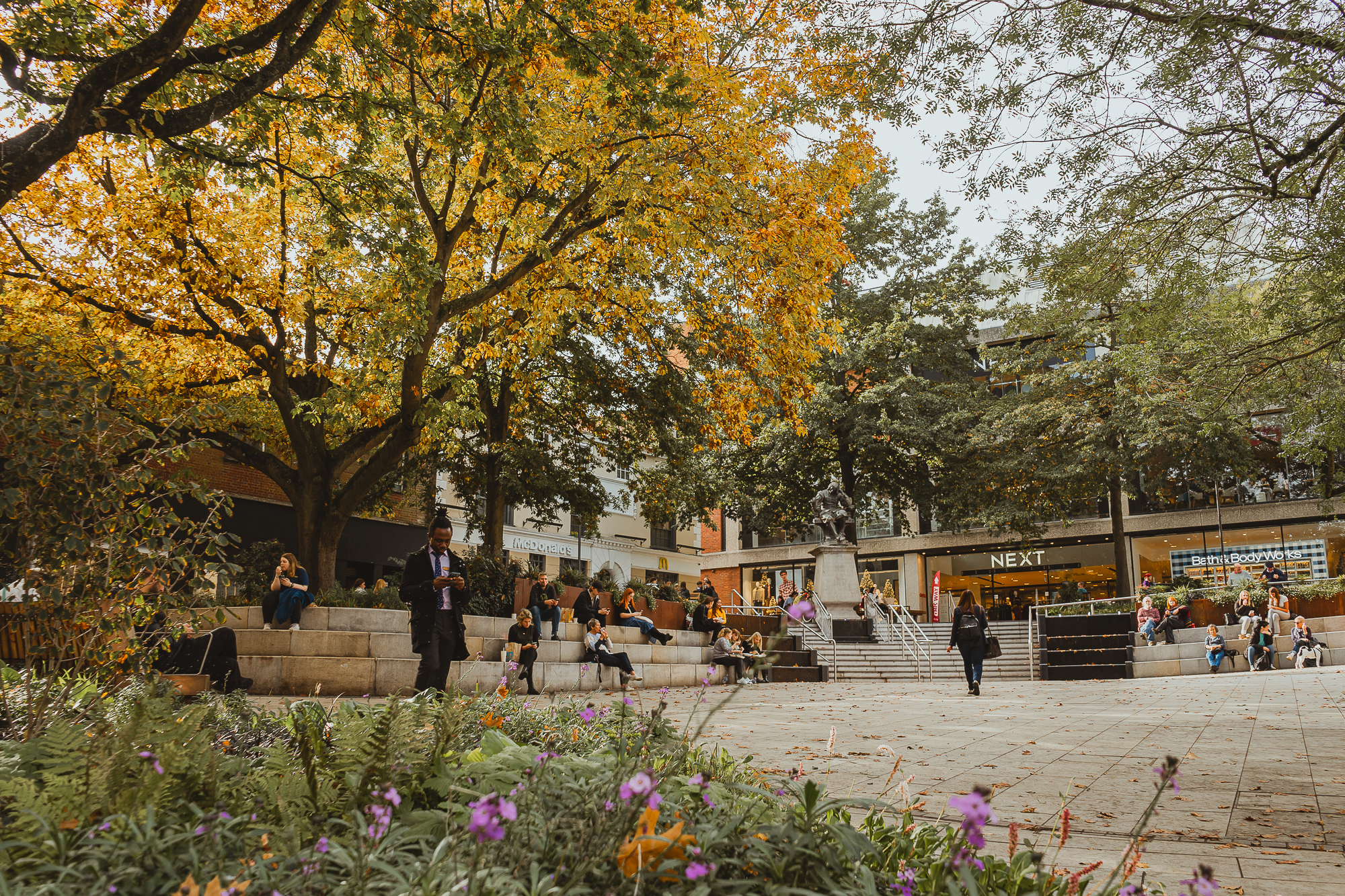
A statue of polymath Sir Thomas Browne overlooks Hay Hill. Credit: VisitNorwich
People
6. A Norwich noblewoman was used to crown Richard III
After the death of Edward IV, rumour spread that Lady Eleanor Talbot had been legally married to the king before his current wife Elizabeth Woodville, according to the then Bishop of Bath and Wales. Edward’s brother, Richard III, used these claims to ascend the throne and illegitimise Woodville’s children, ultimately leading to the mystery of the Princes in the Tower.
7. Sir Thomas Browne coined hundreds of words we still use today
Sir Thomas Browne was a polymath who lived and died in Norwich. Browne rivalled Shakespeare in the number of new words he created, including ambidextrous, computer, electricity, literary, prairie, ultimate and veterinarian.
8. UEA boasts prize-winning Creative Writing alumni
The University of East Anglia’s Creative Writing MA is one of the most renowned in the world. Alumni include none other than Ian McEwan, Kazuo Ishiguro and Emma Healey.
9. Norfolk was home to the man who inspired Shakespeare’s Falstaff
Possibly one of Shakespeare’s most famous characters, the comedic and vain Sir John Falstaff (seen in Henry IV Parts 1 & 2 and Henry V) was based on Norfolk’s own veteran of the Hundred Years’ War, Sir John Falstoff of Caister-on-Sea.
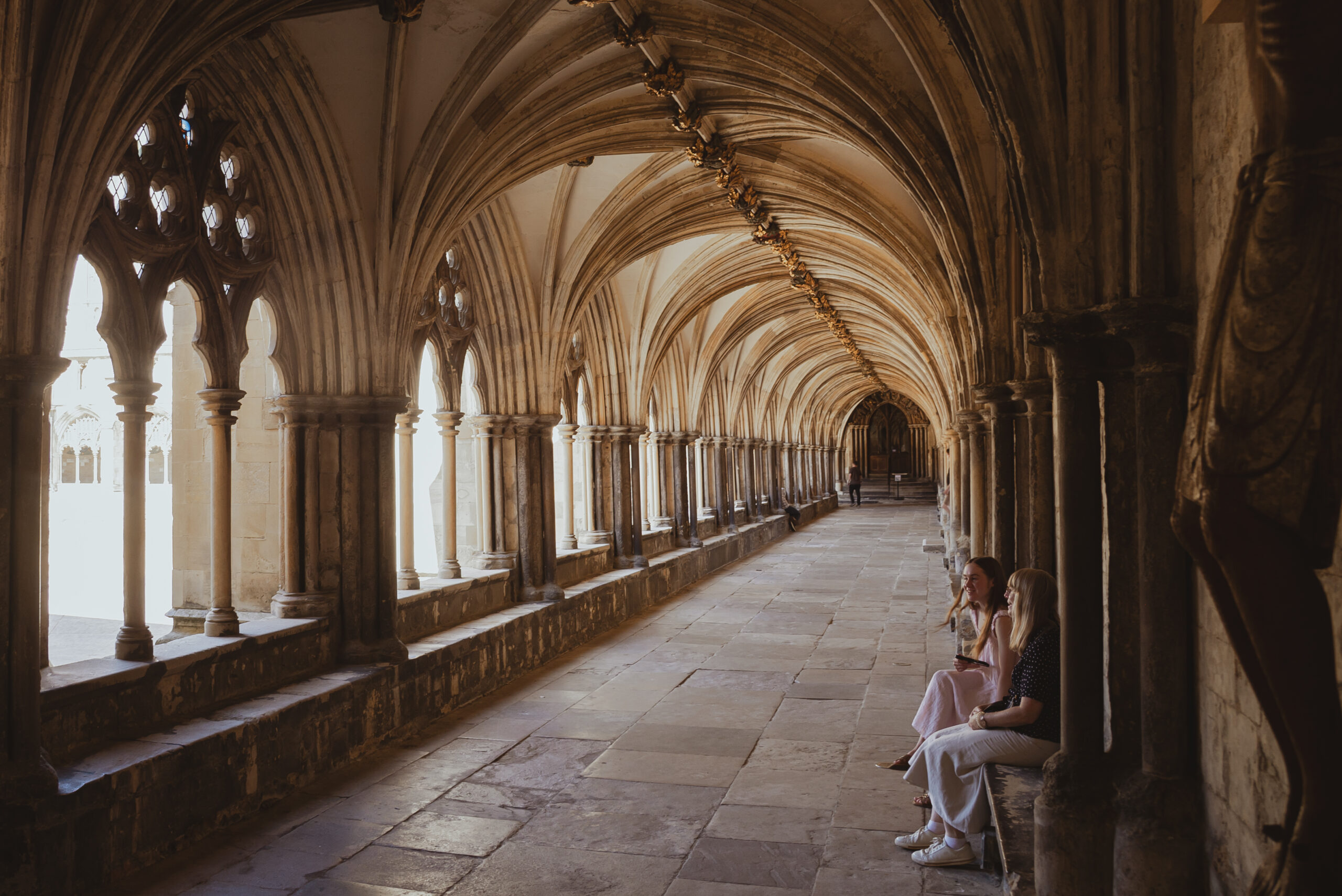
Norwich Cathedral is home to the largest monastic cloister in the country. Credit: VisitNorwich
Places
10. Our Cathedral Quarter is home to England’s largest and smallest cloisters
Norman building Norwich Cathedral boasts the largest monastic cloister in the country (also home to the largest collection of medieval roof bosses in the world). Less than half a mile away, the Great Hospital is home to one of the smallest.
11. Norwich is the only English city in a national park
As part of the Broads, Norwich is the only English city in a national park. These man-made lakes, waterways and wetlands stretch over 303 square kilometres.
12. Norwich has the most churches north of the Alps
As England’s former second city and a major destination in medieval times, Norwich has more churches than any other city north of the Alps! And Norfolk is home to the highest concentration of medieval churches in the world. Wow!
13. In the early 1900s, travel was taken by tram
Providing transport for Norwich’s growing industrial population, the city’s tram system launched in 1900 (closing in 1935). With a hub at Orford Place, many streets were widened and buildings demolished to accommodate them across our medieval streets.
14. Elm Hill almost became a public swimming pool
With the decline in Norwich’s textile industry and the increase in slums- many factories were located around Elm Hill due to its proximity to the river, the Norwich Corporation proposed demolishing Elm Hill in place of a swimming pool! It was saved by just one vote.
15. Norwich is the only city to be excommunicated by the Pope
In 1274, a riot between Norwich’s citizens and the monks of Norwich Cathedral led to the destruction of the cathedral’s main gate. As punishment, the city was excommunicated by Pope Gregory X and its people barred from participating in Christian services.

Norman Foster has called the Sainsbury Centre of of his favourite buildings. Credit: VisitNorwich
Culture
16. Rolos were first manufactured in Norwich
A staple of British confectionery, the Rolo was first manufactured by Mackintosh’s in 1937, creating up to two tons an hour. Five years prior, Mackintosh’s had taken over Norwich brand Caley’s, whose Chapelfield factory occupied the current site of Chantry Place.
17. Norwich Cathedral is home to the only surviving medieval English altarpiece of Christ’s Passion
Dating back to 1380, the Despenser Reredos, or Retable, was saved from destruction during The Reformation hidden as the underside of a table until 1847! It depicts Christ’s Passion- the period before Jesus’ death.
18. The Sainsbury Centre is Norman Foster’s favourite building
Home to “radical” art museum the Sainsbury Centre, this futuristic Norman Foster building at the University of East Anglia is the architect’s favourite (joint with Berlin’s Reichstag dome), according to a BBC Radio 4 interview.
19. Norwich City Football Club’s is the oldest football chant in the world
Synonymous with the Canaries, “On the Ball, City” is the world’s oldest football chant still in use today, with the song older than the club itself and originating in the 1890s. Another fun fact about Norwich City? They’re the only English side to beat Bayern Munich at home (2 -1 in 1994).
20. The Halls is home to the last known portrait of Nelson
And finally, The Halls– St Andrews’ Hall, to be exact- is home to the last known portrait of Norfolk-born naval hero Horatio Nelson, painted a few years before the Battle of Trafalgar.
